When designing modern interiors, one of the most impactful decisions is choosing the right tile finish. Tiles shape the look, feel, and functionality of your space, with the choice between glossy vs matt tiles often sparking debate. Each finish brings unique aesthetic and practical qualities that align differently with modern living room design, bathrooms, kitchens, and overall contemporary home decor.
With the rise of modern interiors, homeowners are now more aware of how finishes interact with light, furniture, and room size. A wrong finish can make even premium tiles look dull, while the right one can elevate the entire space effortlessly. That’s why understanding the practical and visual differences between glossy tiles and matt tiles is essential before making a final decision.This blog dives deep into the pros and cons of glossy tiles and matt tiles, helping you decide which finish fits your vision and lifestyle.
What Are Glossy Tiles?
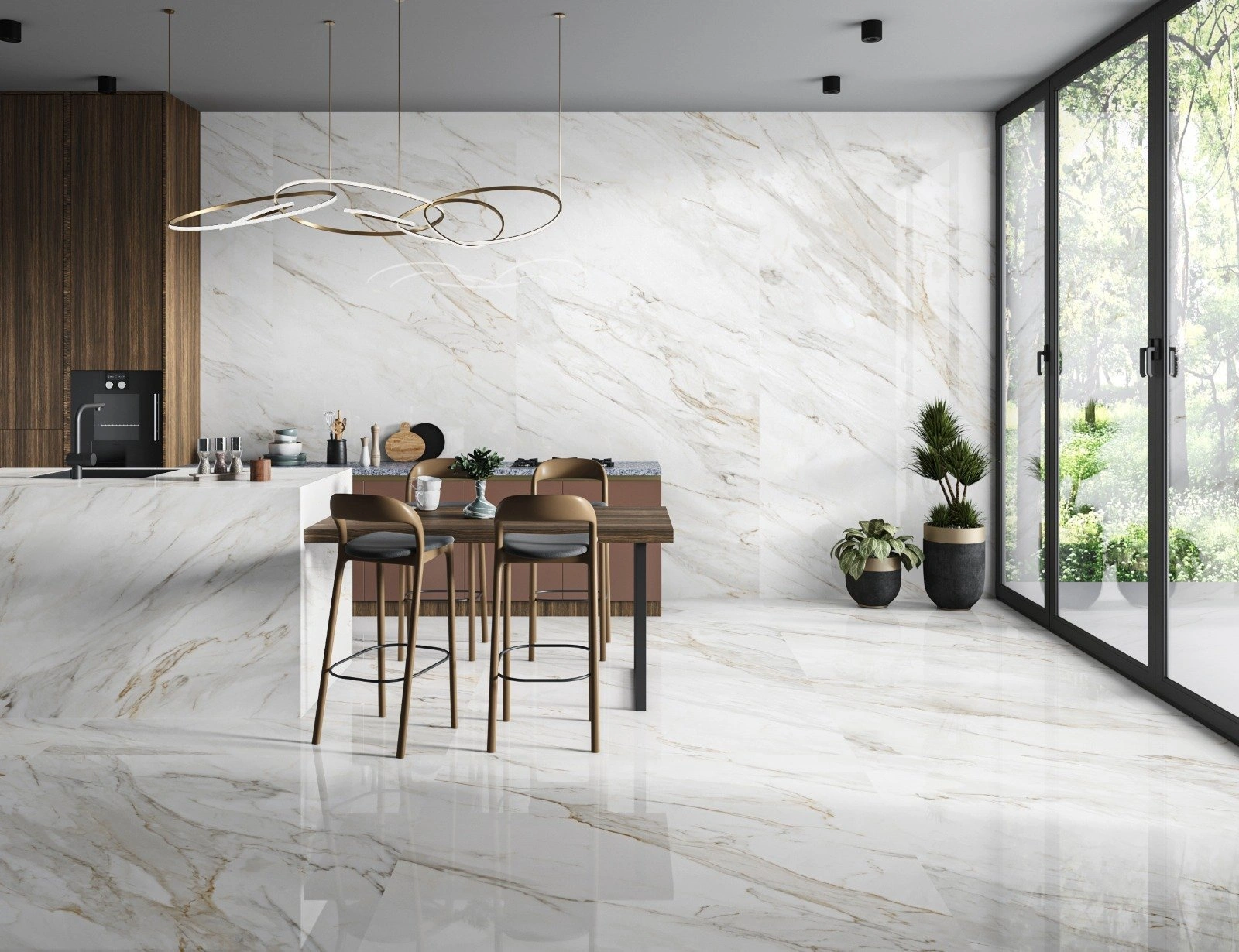
Glossy tiles feature a smooth, highly reflective surface achieved through advanced polishing during manufacturing. This finish allows the tile to bounce light beautifully across the room, making spaces appear brighter and more open.
These tiles are commonly used as wall tiles glossy in living rooms, kitchens, and bathrooms. They are also used as floor tiles glossy in low to medium traffic areas where shine and elegance are a priority. Due to their sleek appearance, glossy tiles are a popular choice in modern interior design, especially where a premium and luxurious feel is desired.
However, the reflective surface also makes smudges, dust, and water marks more visible. This means glossy finishes demand slightly more frequent cleaning to maintain their original shine.
What Are Matt Tiles?
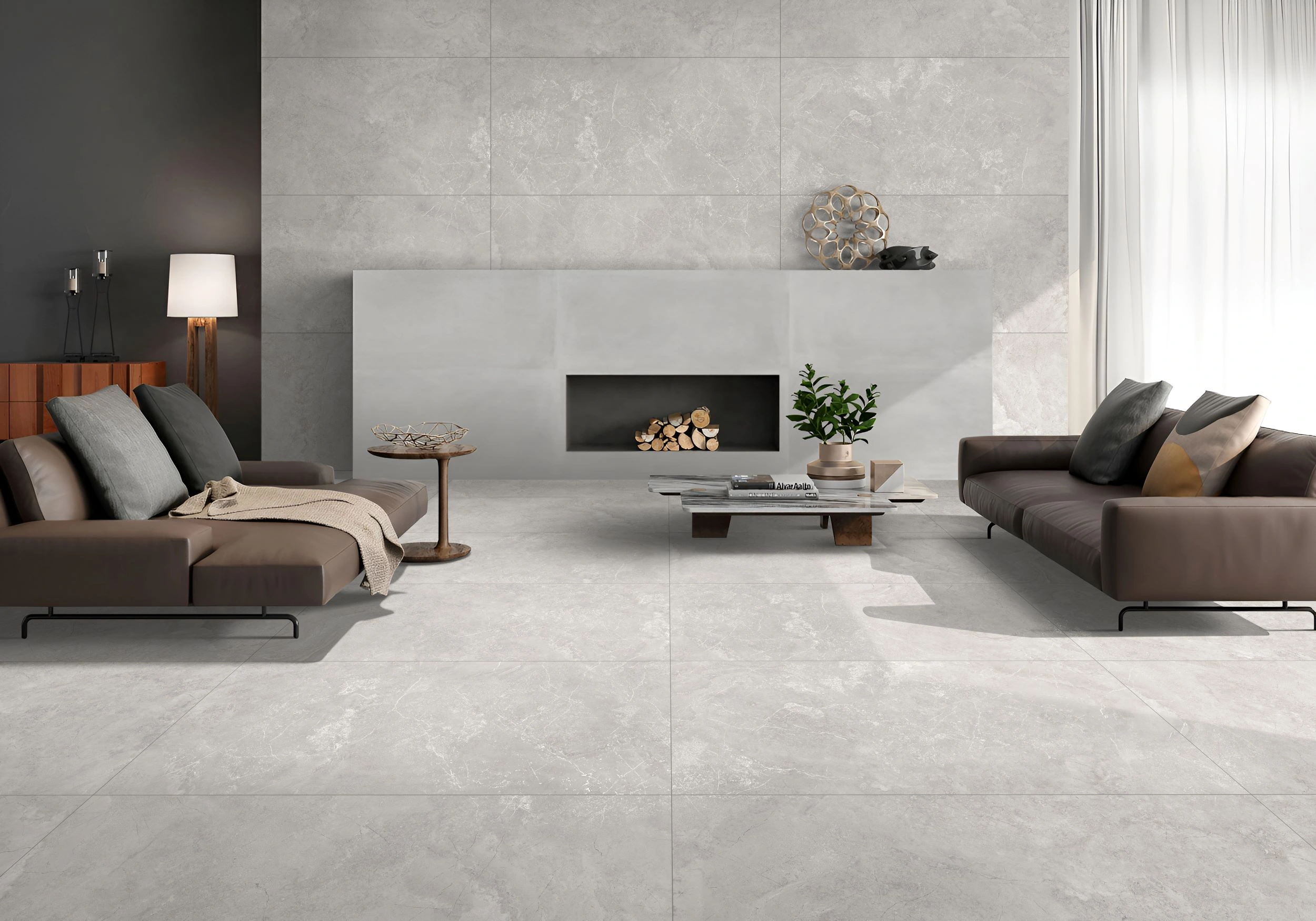
Matt tiles have a soft, non-shiny surface that delivers a more natural and understated look. These tiles do not reflect light heavily, which helps create a calm, grounded, and cozy atmosphere.
You’ll commonly find matt floor tiles and matt wall tiles used in bedrooms, bathrooms, kitchens, and heavy-traffic areas. Their subtle texture provides better grip and slip resistance, making them extremely popular for matt tiles for bathroom flooring and matt bathroom floor tiles.
Matt finishes are widely appreciated in contemporary home decor for their ability to blend seamlessly with minimalist furniture, wooden textures, and earthy color palettes.
Glossy vs Matt Tiles: Key Visual Differences
The most noticeable difference between glossy and matt tiles lies in how they interact with light. Glossy surfaces reflect both natural and artificial light, creating a bright, polished look. Matt tiles, on the other hand, absorb light, offering a softer and more subtle finish.
Glossy tiles visually expand the space and work especially well in compact areas. Matt tiles create depth and warmth, making large rooms feel balanced and comfortable. From a design perspective, glossy finishes lean toward luxury, while matt finishes reflect natural elegance.
| Feature |
Glossy Tiles |
Matt Tiles |
| Surface Finish |
Smooth, polished, mirror-like shine |
Soft, textured, non-reflective finish |
| Light Interaction |
Reflects light strongly, adds brightness |
Absorbs light, reduces glare |
| Visual Impact |
Creates a luxurious, premium look |
Gives a natural, calm, and earthy feel |
| Room Appearance |
Makes rooms look bigger and brighter |
Makes spaces feel warm and balanced |
| Dust & Smudge Visibility |
Dust, fingerprints, and water marks are easily visible |
Hides dust, footprints, and smudges better |
| Design Style Match |
Best for luxury and modern interiors |
Best for minimal, Scandinavian & contemporary home decor |
| Glare Effect |
High glare under strong lighting |
No glare, comfortable for the eyes |
Durability & Strength Comparison
From a structural point of view, both glossy and matt tiles are manufactured using similar base materials, so their core strength remains almost the same. The difference lies mainly in surface behavior.
-
Glossy tiles show scratches more clearly due to their reflective surface
-
Matt tiles hide minor scratches and surface wear better
-
Matt finishes perform better in high-traffic areas
-
Glossy tiles are suitable for controlled-use zones
If your space experiences heavy daily movement, matt tiles usually offer better long-term satisfaction.
Maintenance & Cleaning: Which Is Easier to Maintain?
Maintenance is one of the strongest deciding factors in the glossy vs matt tiles debate. Glossy tiles demand regular wiping because:
-
Fingerprints are quickly visible
-
Watermarks appear frequently
-
Dust is more noticeable under light
Matt tiles, on the other hand:
-
Hide dust and footprints better
-
Require periodic deep cleaning to remove stains
-
Are easier to manage for everyday floors
For walls, glossy tiles remain easier to clean, while for floors, matt tiles prove to be more forgiving in daily use.
Safety & Slip Resistance Factor
Safety becomes extremely important in areas exposed to moisture. Glossy tiles become slippery when wet, which makes them risky for kitchen and bathroom floors. Because of this, glossy finishes are mostly limited to wall applications in wet zones.
Matt bathroom floor tiles provide:
For dry zones like living rooms and bedrooms, both finishes perform safely when chosen correctly.
Light Reflection & Space Perception
Light plays a powerful role in shaping interior perception. Glossy tiles reflect light efficiently and help smaller rooms appear larger and brighter. This makes them ideal for compact apartments and spaces with limited natural light.
Matt tiles absorb light and reduce glare, which works beautifully in spacious areas where natural lighting is already balanced. In premium modern living room design, designers often use a mix of glossy walls and matt floors to achieve both depth and visual brightness.
Room-Wise Comparison: Where to Use Glossy vs Matt Tiles
Living Room
-
Glossy tiles for living room offer a premium visual appeal
-
Matt floors provide better comfort and safety
-
Combined usage creates balance between luxury and practicality
Kitchen
Bathroom
-
Matt tiles for bathroom flooring ensure safety
-
Glossy wall tiles enhance brightness and hygiene
-
Matt bathroom floor tiles are the safest option
Bedroom
Commercial Spaces
Cost Comparison: Glossy vs Matt Tiles
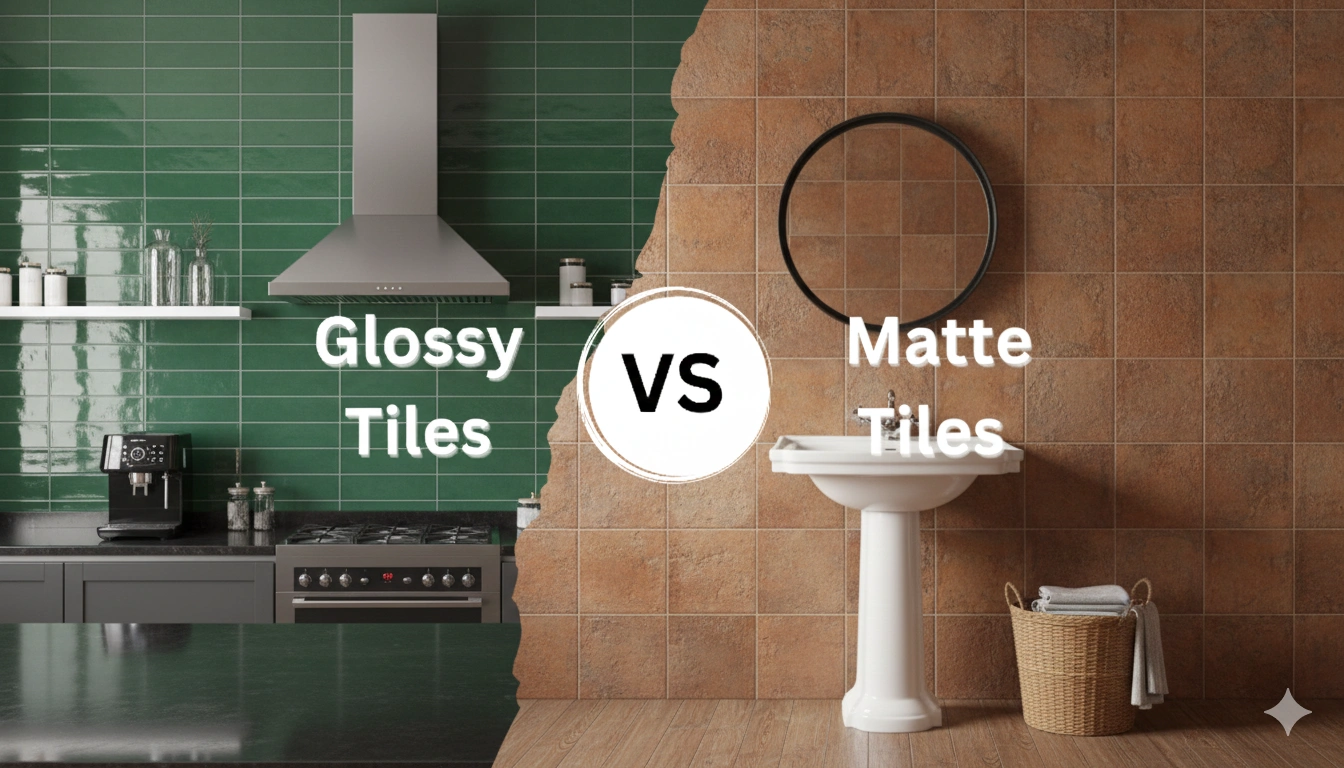
Both glossy and matt tiles come in a wide price range, but gloss coatings usually add a slight premium due to their finishing process. Over time, matt tiles maintain their appearance longer because scratches and wear are less visible, making them a wise investment for durability.
If you’re considering future resale value or long-term upkeep, matt tiles often emerge as the more practical choice, especially in busy homes or commercial spaces. However, glossy tiles retain a fresh, modern appeal that is hard to replicate with other finishes.
Trending Tile Choices in Modern Interiors
Current modern interior design trends favor a balanced mix of finishes. Designers are embracing neutral shades in matt textures while using glossy finishes for feature walls and accent zones.
Textured matt tiles in earthy tones are dominating contemporary home decor, while large-format glossy wall tiles continue to remain popular in luxury living rooms and hotel-inspired interiors. Dual-finish spaces are now becoming the new design standard.
Glossy vs Matt Tiles: Which Should You Choose for Your Home?
Your final choice should depend on:
-
Your lifestyle and daily traffic
-
The size and lighting of the room
-
Safety requirements
-
Cleaning and maintenance comfort
Most modern homes benefit from a strategic mix of glossy and matt finishes across different rooms.
Always evaluate where the tile will be installed before finalizing the finish. Check how much natural light the space receives and how frequently the area will be used. Matching tile finish with lighting, wall color, and furniture textures ensures better harmony in modern interiors.
It is also advisable to test a sample tile under actual lighting conditions at your site before making bulk purchases.
Pros and Cons Summary Table
| Feature |
Glossy Tiles |
Matt Tiles |
| Appearance |
Bright, reflective, luxurious |
Soft, natural, subtle |
| Slip Resistance |
Lower when wet |
High grip and safer |
| Maintenance |
Needs frequent cleaning |
Hides dust better |
| Scratch Visibility |
More visible |
Less noticeable |
| Best Use Areas |
Walls, living rooms |
Bathrooms, kitchens, bedrooms |
Common Mistakes to Avoid When Selecting Tile Finishes
One of the most common mistakes is choosing tiles purely based on appearance without considering daily usage. Another error is using glossy floor tiles in high-moisture areas like bathrooms, which increases safety risks.
-
Choosing based only on appearance
-
Ignoring slip resistance in bathrooms
-
Overusing glossy finishes
-
Not considering daily cleaning effort
-
Selecting the same finish for every room
Brand Section – Megancera’s Tile Solutions for Modern Interiors
Megancera offers a refined selection of both glossy and matt tile collections crafted for today’s evolving design needs. With a strong focus on surface finish quality, performance, and durability, Megancera tiles are engineered to complement every style of modern interior design.
From elegant glossy wall tiles to high-grip matt floor tiles, Megancera provides tile solutions suitable for residential, commercial, and hospitality projects. Every collection is designed to meet global quality standards while staying aligned with emerging contemporary home decor trends.
Find Your Tile Finish
Conclusion: Making the Right Choice for Your Modern Home
Choosing between glossy vs matt tiles is not about which is better it is about which finish suits your space, lifestyle, and design intent the best. Both finishes offer unique advantages and perform beautifully when used correctly.
By understanding room-wise requirements, safety factors, maintenance needs, and visual impact, you can confidently select tiles that enhance your home’s comfort and appearance for years to come.
Frequently Asked Questions (FAQs) – People Also Ask Section
1. Are glossy tiles slippery for bathrooms?
Yes, glossy tiles become slippery when wet, so they are not recommended for bathroom floors.
2. Do matt tiles get stained easily?
Matt tiles hide dust better but may absorb stains if not cleaned regularly.
3. Which tiles are better for small spaces?
Glossy tiles reflect more light and make small spaces appear larger.
4. Are glossy tiles outdated for modern homes?
No, glossy tiles are still widely used in modern interiors for luxury appeal.
5. Can glossy and matt tiles be mixed together?
Yes, combining both finishes is a popular trend in modern interior design.




 Live Photos & Videos