With regard to developing an impressive interior design, the use of a tile pattern is essential in determining the ambiance of a place. Herringbone and chevron tile patterns are among the most classic and timeless patterns, as they are very elegant and can be used in various ways. Appearing at first glance, these two styles can be similar; however, the layout, price and use between them can drastically differ in how the final aesthetic looks in your project.
In this guide we will explore in depth the main differences between herringbone and chevron tiles, explore their aesthetic design qualities, and installation procedures, pricing and best use cases. You will end up knowing the pattern that suits your space and style.
What Is Herringbone Pattern?
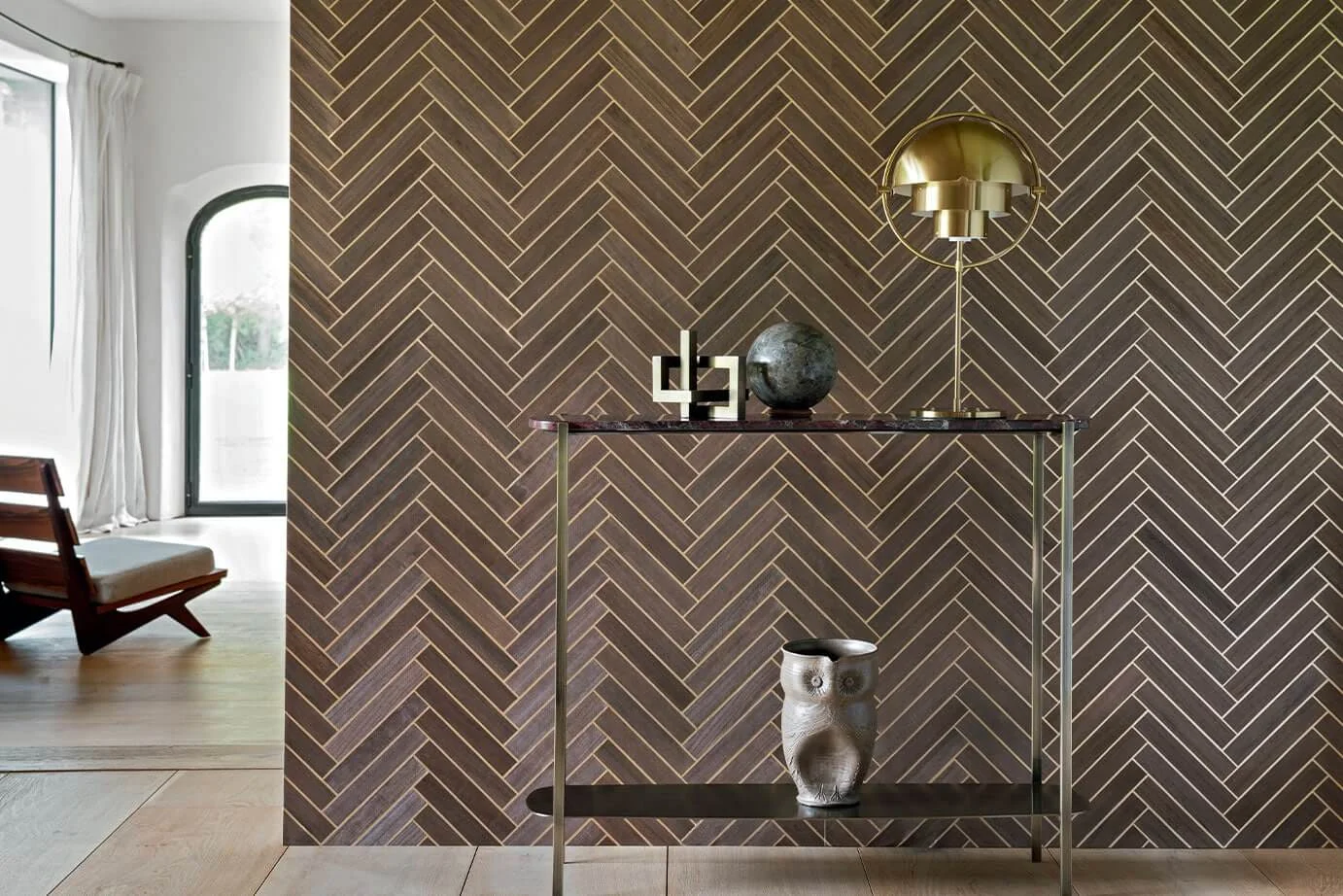
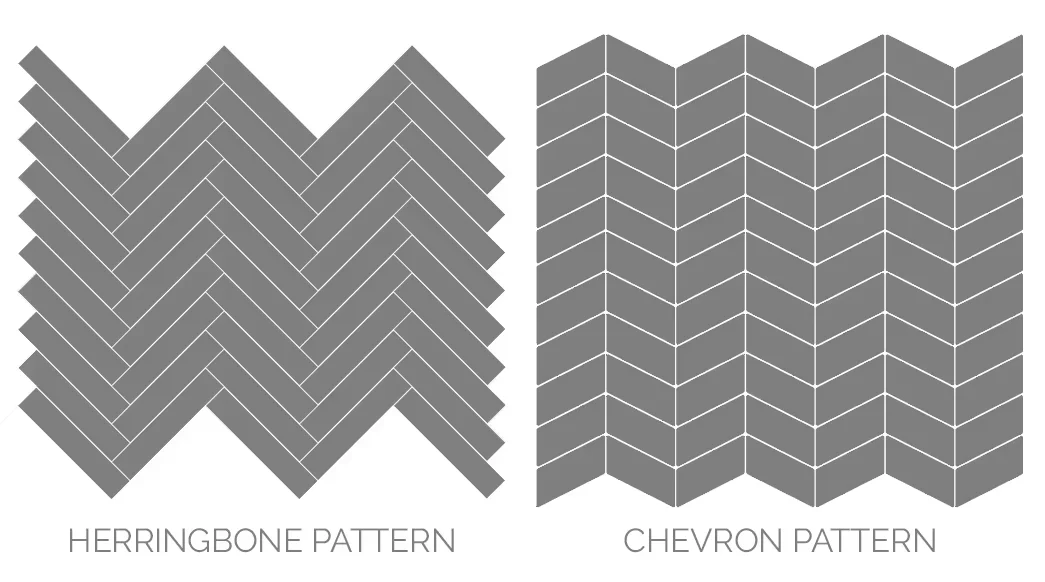
The herringbone pattern gets its name from the resemblance to the bones of a herring fish. It is formed by laying squares of tiles ninety degrees out of line with one another at an angle of zigzagging, forming a sort of broken sag. The old school design is mostly defined with timeless grace and it is a common design applied to floors, backsplashes like herringbone backsplash and walls including herringbone wall tiles.

Herringbone Tile Benefits:
-
Timeless Appeal: Works well with both traditional and modern interiors.
-
Texture and Depth: Adds visual interest and movement to a room without overwhelming the design.
-
Versatile Shapes: Available in wood-look, ceramic, porcelain, or even marble tiles like marble herringbone tile and white herringbone tiles.
What Is Chevron Pattern?
The chevron pattern has tiles cut diagonally, which makes them get perfect V-shapes once stuck together. In contrast to herringbone, chevron makes a more balanced and symmetric zigzag pattern, which is bright and contemporary.
Chevron Tile Design Highlights:
-
Contemporary Elegance: Suits modern and minimalist styles beautifully.
-
Seamless Flow: The continuous V-pattern creates a smoother, more fluid appearance.
-
Customization Options: Often available in a wide range of materials, finishes, and colors.
Key Differences Between Herringbone and Chevron Patterns
Although herringbone and chevron might seem the same at first sight, there are differences among them that are all demonstrated by their design, method of installation and aesthetics. In the following, we deconstruct the major differences so as to enable you to determine the best tile pattern to use in your project.
1. Design Aesthetics
Herringbone:
Herringbone tile designs also provide a low-key, high-class look. The slightly staggered zigzag effect creates movement and texture within a room, making it the perfect option to add a little drama to the floors, walls, and backsplashes of a room. The small spaces may be visually enlarged with the help of herringbone floor tile or herringbone tiles bathroom setups that direct the eye to the outside and produce a traditional appearance that can go well with both traditional and eclectic interiors.
-
Best For: Elegant kitchens, rustic designs, or spaces aiming for a timeless and welcoming vibe.
-
Visual Impact: Minimalist yet intricate; adds a sense of rhythm to interiors.
-
Popular Colors: black herringbone tile and grey herringbone tile
Chevron:
Chevron patterns, on the other hand, are designed to be bold and symmetrical. Their elegance and exact V-shapes form a sleek and dynamic visual, unbroken flow, and they are ideal in modern areas. The absence of staggered lines pays justice to the fact that the chevron looks more polished and architectural.
-
Best For: Modern bathrooms, feature walls, and rooms seeking a sophisticated focal point.
-
Visual Impact: Sleek and impactful; ideal for making a bold statement with chevron floor tile arrangements.
2. Installation Process
The differences in labor time are quite high and herringbone installations usually go quicker because tiles can be simply laid down as there is no or little cutting needed. Chevron installations can take a long time to measure and cut as well as to place with greater definitiveness, making installation schedules two times longer than that of the herringbone process.
There is always the variation of material wastage among patterns, and herringbone patterns have been reported to generate less waste, especially with the efficient use of standard tile size, whereas chevron designs create more waste relating to angled cuts and precision committed. This consideration of waste adds to the material costs and sustainability of the project when it comes to the green factor.
Herringbone Installation:
The installation of Herringbone tiles is simpler than chevron because the tiles take the form of a rectangle. The layout is to find them positioned at right angles and even at that, the fine symmetry must be properly done.
Chevron Installation:
Installation of Chevron requires angled cuts that meet the angle, mostly a 45-degree angle is required and it requires a specialized set of tools, high-order measuring skills, and labor professional expertise to make the work in the best way possible. The uniformity when it comes to the design requires tiling to be able to fit into each other accurately, and thus the angles to remain constant at all points during the process of this installation, when it comes to visual effectiveness.
3. Cost Differences
The detection of herringbone can be generally cheaper than chevron because it only requires normal-sized rectangular tiles and involves less cutting and molding. But even the labor cost might be high because the pattern is something that should be aligned carefully.
Herringbone Costs:
The prices of Chevron tiles are fairly high since they need custom cutting to draw the angled design. Also, the complex installation process is costly in labor. In case you want a chevron design, you should expect to spend more budget on the materials and installation.
Chevron Costs:
-
Cost Range: Higher due to specialty tiles and intricate laying process.
-
Labor Cost: Significantly higher than most other patterns, including herringbone.
4. Ideal Applications
Herringbone pattern installations are compatible with commands in almost any area of the house: in kitchens and in bathrooms, in entries and living rooms, in bedrooms. The versatility of the pattern allows it to be used on the floor and the wall in a traditional, transitional, and contemporary design expression without occupying most of the design space. Whether it’s herringbone tiles kitchen, herringbone flooring tiles, or even a charming marble herringbone backsplash, the design carries universal appeal.
Chevron tile applications are particularly strong when the intended objective is a striking graphic, as in the case of feature walls, high-end bathrooms, modern kitchens, and upscale commercial projects where the pattern is the design focus and begins a conversation.
The idea of the scale consideration is that herringbone patterns are adaptable in both large and small areas because the intricate texture in them introduces more interest, without being overbearing to limited proportions, whereas the chevron patterns seem to perform better in areas with a larger space where the continuous line can be maximised without taking away the proportions in a smaller room.
Both patterns can be successfully applied on the surface, but herringbone makes a much better slip-resistant surface than chevron, with more grout lines and a change of direction, whereas the latter has a highly dramatic effect when it is a wall or a floor and the client wants to make a graphic statement, rather than a more pleasing textural effect.
Where to Use Herringbone Tiles:
Herringbone's versatility allows it to shine in many areas of the home:
-
Floors: Gives depth and texture to an area that is small or creates depth in long areas such as hallways.
-
Backsplashes: This is very common in the kitchen due to its vintage looks, especially when paired with herringbone backsplash or white herringbone backsplash designs.
-
Walls: Stands well in resources in bathrooms or in a shower to attain a fashionable but a more low-key appearance.
Where to Use Chevron Tiles:
Chevron Mosaic Tile's bold and architectural character makes it perfect as a focal point:
-
Accent Walls: This is adapted to feature walls, which are in the living rooms or in bedrooms.
-
Bathrooms: Gives a touch of luxury to shower walls and vanities.
-
Commercial Spaces: They are being utilized in the upscale offices or boutiques to provide the sleek, statement design.
Maintenance and Practical Performance
Maintenance of the herringbone tiles brings with it many grout lines as tiles are set more closely, hence maintenance needs to be carried out now and again to ensure that dirt does not build up and the appearance is maintained. The sophisticated pattern provides more interventions of grouts that might necessitate one to use more energy to maintain, but it has healthcare patterns on wear distributions.
Tiles chevron maintenance will have fewer and longer grout lines that can be more efficient when it comes to cleaning, but equatorial joints must be watched out for to avoid the build-up of dirt in the corners. The constant pattern can be worn out at lines of directional flow, more noticeable than the zigzag directions of herringbone.
Both patterns need to be installed and maintained correctly to be able to sustain their performance in the long term, with regular maintenance keeping both possibilities attractive at all times. Herringbone tends to have an easier time being repairable as far as standard tiles are concerned, whereas chevron repairs may involve special-ordering or custom cuts to conform to previously-installed runs.
Practical Tips for Choosing Between Herringbone and Chevron Tiles
Determine Your Aesthetic Goals
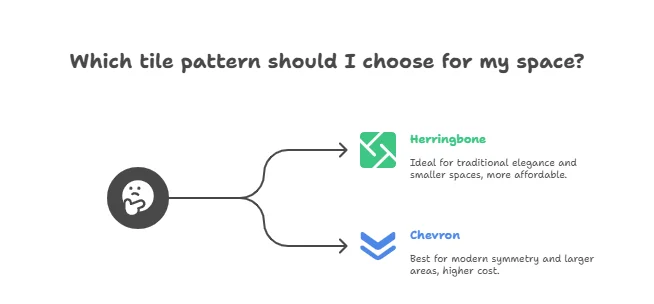
Herringbone is a better option, in case you are concerned with classy elegance with an easy flow. It brings about a traditional and woven texture, which goes well with traditional and transitional interiors. Otherwise, when you like clean and modern patterns with impressive symmetry, chevron is your pattern of choice. The V-like pattern of design brings out the striking directional pattern that gives a boost to modern structures within a matter of seconds.
Consider Your Budget
Herringbone tiles can provide a more affordable option, in terms of price, but the result is just as interesting and versatile in design. Chevron tiles are a showstopper with exquisite precision and elegant appearance for the flexible budgeters who wish to achieve a high-end, high-design look.
Think About the Space
Herringbone patterns are ideal for smaller areas like entryways, kitchen backsplashes, or powder rooms, where they can subtly enhance the texture without overwhelming the space. Chevron tiles, the Chevrons, on the other hand, are ideal when constructing a visual drama, usually on bigger areas, as well as the centerpieces on feature walls and floors.
Explore Our Tile Collection
In regards to both of the styles, it is important to select the manufacturer of tiles. Megan Cera, a top tile manufacturer and supplier, offers a wide selection of premium herringbone tiles bathroom, herringbone flooring tiles, and herringbone tile pattern styles in various finishes, materials, and colors. Megan Cera is distinguished because of its high level of precision craftsmanship, durability, and trend-leading designs and offers custom solutions to homeowners, designers and builders that seek to implement the elegant patterning.
Final Thoughts
Each herringbone and chevron pattern of tiles has an individual image and adds charm to the room. Be it the timeless charm of the herringbone or the symmetry of the chevron, their difference can give you a better idea of making the right choice. As you decide which one you prefer to install, remember about the look you want to create and the ease of installation, and the budget you are working with.
The choice of pattern is yours; the opportunities with herringbone and chevron wall tiles are endless, and you can add the best kinds of style and sophistication to your home. To have the most impressive outcome, it would be good to find a professional installer who can turn your concept into life, as precision and expertise are guaranteed.




 Live Photos & Videos