Choosing the right surface for your driveway is more important than it seems. It affects durability, safety, maintenance, and overall curb appeal. Two of the most popular driveway flooring options today are parking tiles and concrete paver blocks, both widely used for residential and commercial driveways. While they may look similar at first glance, their performance and long-term value can differ significantly. This guide breaks down everything you need to know to make the right decision with confidence.
What Are Parking Tiles?
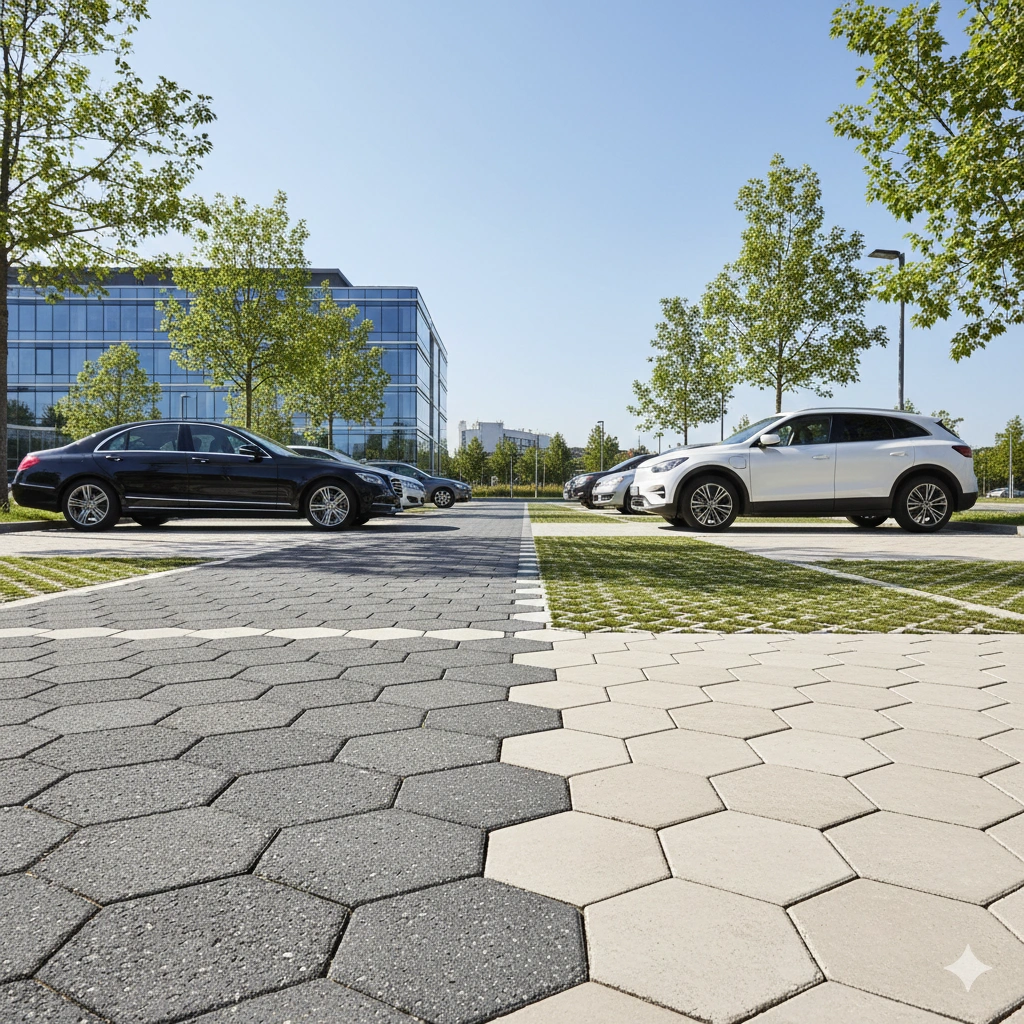
Definition and Composition
These tiles are specially engineered ceramic or porcelain tiles designed to withstand heavy loads and outdoor conditions. Unlike regular floor tiles, they are manufactured using high-density materials and advanced firing techniques to improve strength and durability.
Key Features of Parking Floor Tiles
-
Designed to handle vehicle weight with ease
-
Low water absorption, suitable for outdoor use
-
Textured or matte surfaces for better grip
-
Uniform size and thickness for precise installation
These qualities make them a preferred choice among modern parking floor tiles solutions.
Common Applications of Parking Floor Tiles
Due to their strength, they are often used as car parking tiles in high-traffic areas.
What Are Paver Blocks?
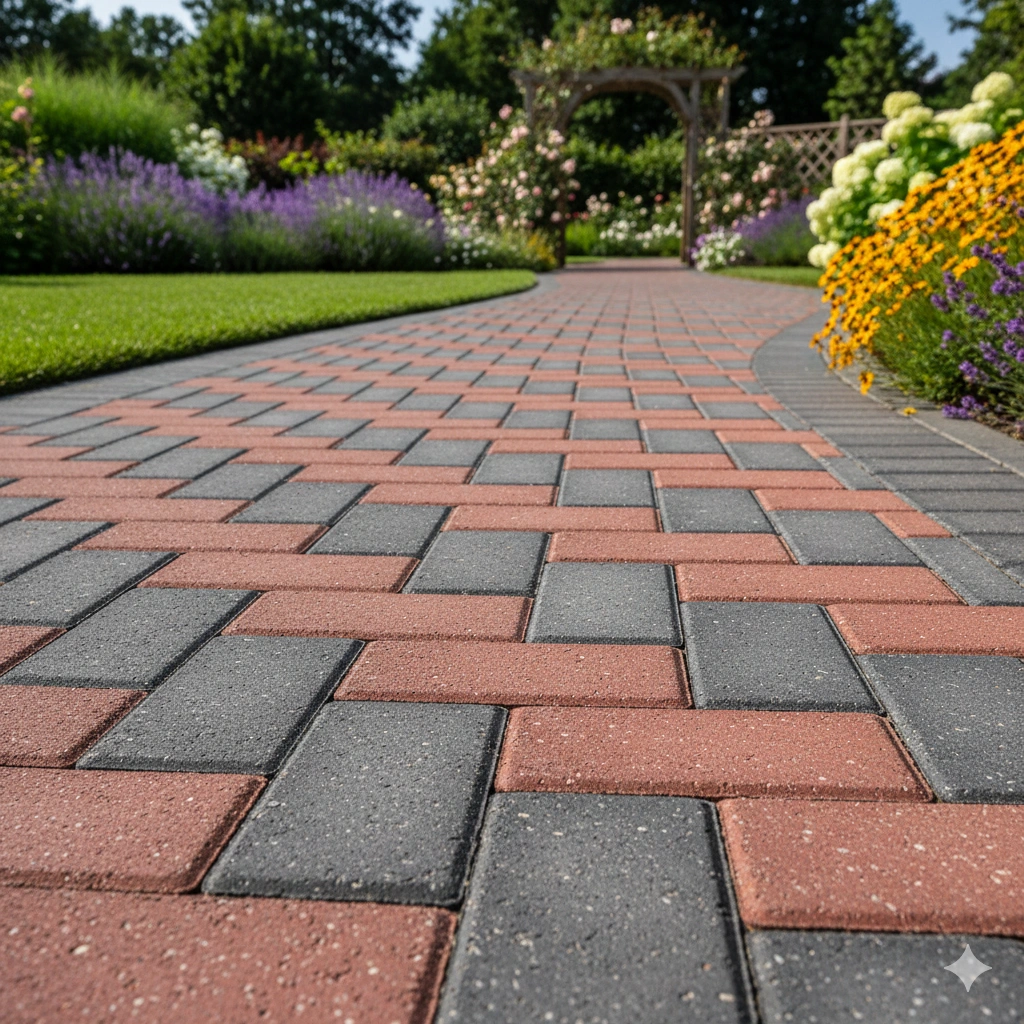
Definition and Material Types
These precast concrete units are widely used for outdoor paving. They are commonly known as concrete paving blocks and are available in different shapes, thicknesses, and colors. Some popular styles include block paving bricks and interlocking patterns.
Key Features of Concrete paving Blocks
-
Made from cement, sand, and aggregates
-
Installed using interlocking methods
-
Flexible design patterns
-
Easy to remove and replace
A block paving driveway is commonly preferred for large residential plots where easy repairs and flexible layouts are important.
Common Applications of Concrete paving Blocks
In outdoor leisure spaces, a concrete patio paver is often chosen for its strength, slip resistance, and ability to handle changing weather conditions.
Parking Tiles vs Paver Blocks: Key Differences at a Glance
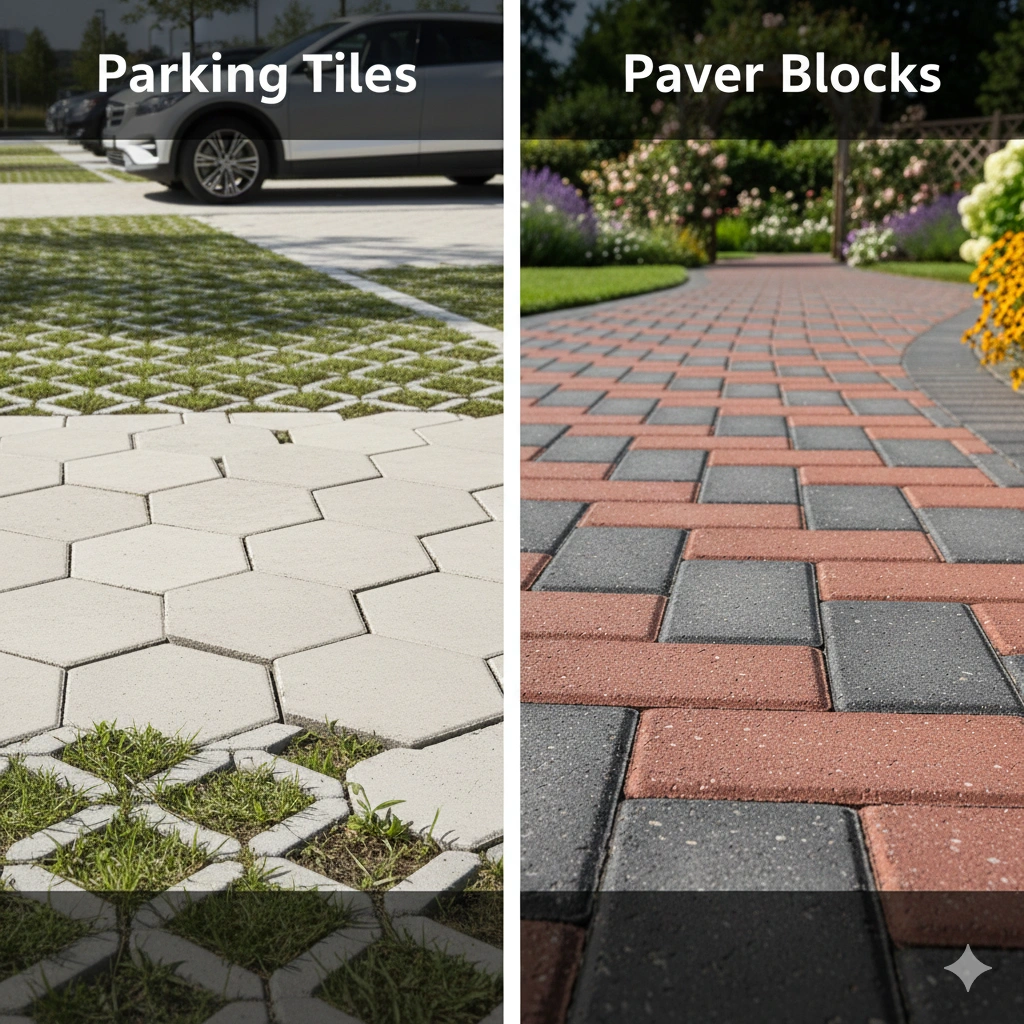
Material Strength and Load Capacity
These tiles are kiln-fired at very high temperatures, making them extremely dense. This allows heavy duty parking tiles to support cars and light commercial vehicles without cracking.
Paver blocks rely on thickness and interlocking strength, but they may shift over time if the base weakens.
Durability and Lifespan
Outdoor parking tiles are resistant to moisture, stains, and surface wear. In contrast, concrete-based driveway blocks can erode or fade gradually due to weather exposure.
Installation Method
Tiles require a prepared concrete base and skilled installation. Paver blocks are installed on sand bedding, which allows flexibility but may lead to uneven settling.
Maintenance Requirements
Tiles are easy to clean and do not support weed growth. Block paving often needs periodic re-leveling and weed control between joints.
Aesthetic Appeal
Tiles offer modern finishes, textures, and consistent color. Paver blocks provide a more traditional look, including options like brindle block paving.
Weather and Water Resistance
Tiles have low porosity, making them ideal tiles for parking area surfaces where vehicles move daily and water exposure is high. Concrete driveway pavers absorb more moisture, which can affect long-term performance.
Pros and Cons of Parking Floor Tiles
Advantages
-
High load-bearing capacity for vehicle movement
-
Long-lasting surface quality
-
Minimal maintenance
-
Premium and modern appearance
-
Suitable for outdoor vehicle parking areas
Limitations
-
Requires skilled installation
-
Slightly higher upfront cost
-
Needs proper base preparation
Despite these factors, many homeowners consider them among the best parking tiles for long-term driveway use.
Pros and Cons of Concrete Paving Options
Advantages
-
Easy to install and replace
-
Budget-friendly for large areas
-
Flexible design layouts
-
Suitable for sloped surfaces
Options like interlocking blocks, which lock together under load, make repairs and replacements simple.
Limitations
-
Weed growth between joints
-
Surface fading over time
-
Can become uneven with heavy traffic
-
Requires regular maintenance
Styles such as thin brick pavers look attractive but may not be ideal for heavy vehicles.
Which Is Better for Driveways: Parking Tiles or Paver Blocks?
Best Choice for Residential Driveways
For homeowners looking for a clean and modern finish with low upkeep, tile-based driveway solutions are a strong choice. They offer long-term durability and visual consistency.
Best Choice for Commercial & Heavy-Traffic Areas
Commercial areas often prefer tiles due to their higher strength and resistance to wear, especially where vehicles move frequently.
Cost vs Long-Term Value Comparison
While paver blocks may appear affordable initially, maintenance costs can add up. Tiles provide better value over time due to minimal repairs.
Climate and Usage-Based Recommendations
In regions with heavy rainfall, tiles perform better due to low water absorption. Driveways exposed to heavy loads benefit from tile-based solutions rather than standard driveway paving stones or conventional driveway blocks.
Comparison Table – Parking Tiles vs Paver Blocks
| Feature |
Parking Tiles |
Paver Blocks |
| Material |
Ceramic / Porcelain |
Concrete |
| Load Capacity |
High |
Medium |
| Maintenance |
Low |
Moderate |
| Installation |
Fixed base |
Sand-based |
| Weed Growth |
No |
Yes |
| Aesthetic Finish |
Modern & uniform |
Traditional |
| Ideal Use |
Driveways, parking areas |
Walkways, patios |
| Slip Resistance |
High (textured surface) |
Medium |
How to Choose the Right Driveway Flooring for Your Project
Consider your budget, expected vehicle load, maintenance preference, and design goals. If durability and a refined look matter most, tiles are a smart investment. For flexible layouts or temporary solutions, driveway blocks may work better. Always evaluate long-term performance rather than upfront cost alone.
Why Choose Megan Cera for Driveway Surface Solutions
Megan Cera offers advanced ceramic and porcelain solutions designed for demanding outdoor applications. Their range of parking and outdoor tiles is engineered for strength, durability, and modern aesthetics. With a focus on performance-driven surfaces, Megan Cera provides reliable options for residential and commercial driveways. Each product is crafted to handle heavy usage while maintaining visual appeal. Their solutions combine technology, design, and long-term value for smarter surface choices.
Choose the Right Parking Tiles
Conclusion
Both parking tiles and paver blocks have their own advantages. Tile-based driveway surfaces stand out for durability, low maintenance, and modern appearance, while concrete paving options offer flexibility and lower initial cost. The right choice depends on usage, traffic load, and long-term expectations. By understanding these differences, you can confidently select the most suitable driveway solution for your project.
FAQs
1. Which driveway option requires less maintenance?
Parking tiles require minimal upkeep compared to paver blocks.
2. Are parking tiles more expensive than paver blocks?
They may cost more initially but offer better long-term value.
3. Can parking tiles handle heavy vehicles?
Yes, they are designed for high load-bearing applications.
4. Which option is better for modern home designs?
Parking tiles complement modern architectural styles better.
5. Do paver blocks need frequent replacement?
They may require adjustments or replacements over time due to settling.
6. Which driveway option lasts longer?
Parking tiles generally last longer due to low water absorption and resistance to surface wear, especially in residential and commercial driveways.



 Live Photos & Videos